The Deeper Greatness Hidden Inside Every Child
Children have incredible imaginations. They dream without limits and see possibilities everywhere. One day they want to be a firefighter, the next day a famous singer, and the day after that a Rebbe who lights up the world. It is natural. It is beautiful. Kids look up to the people they admire and try to picture themselves with that same strength, that same talent, that same magic. They mimic, they pretend, they imagine. This is how a child begins to understand who they are and what greatness can look like.
There is nothing wrong with that. In fact, it is one of the ways Hashem designed the human heart. We are drawn to light. We are inspired by people who live with passion. We look at someone extraordinary and think, I want to be like that. Whether it is a singer, a famous speaker, a Rebbe, or a tzaddik, a child’s longing to imitate greatness comes from a holy place inside. It comes from the neshama recognizing something true and wanting to get closer to it.
But as we grow up, we begin to discover the deeper truth. Real greatness is not found in becoming a copy of someone else. It is found in becoming the fullest version of ourselves. As Chazal tell us, “Ein adam lomed Torah ela mimakom shelibo chafetz. A person only learns Torah in a way that their heart desires.” We must find that place, within Yiddishkeit, within the parameters of Halacha, as it is set out in Shulchan Aruch. What is that place that you love to be? Is it lomdus, or is it bekius? Is it a short thought of emunah, or is it a special song? When you are able to identify that place, you will be positioned for real serious growth.
Chazal teach in several places that “Harbei asu kein…velo alsa beyadam,” meaning that many tried to follow the exact behaviors of great tzadikim, such as Rebbe Shimon bar Yochai or Kimchis, yet did not reach success. One explanation is that simply copying the outward actions of holy people is not the path to true greatness. What works for a Tzadik works because it fits the unique soul, mission, and inner world of that Tzadik, not because the act itself is a formula that anyone can replicate. Real success comes from finding the path that belongs to your own neshama.
Although not the Zusha of the song, this idea is captured in one of the most famous stories about Reb Zusha of Anipoli. At the end of his life, he cried to his students and told them that he was not afraid that Heaven would ask him why he was not Avraham Avinu or Moshe Rabbeinu. He was afraid they would ask him one question: Why were you not Zusha? Why did you not become the person only you could be?
That moment reveals one of the most important truths about life. Hashem did not put any of us in this world to repeat someone else’s path. He gave each of us a spark that exists nowhere else. A voice that no one else can sing with. A mission that only we can bring to the world. We admire others so we can learn from them, but we do not admire them so we can disappear into their shadows. We admire them so we can discover what is possible inside ourselves. Rebbe Nachman teaches in Likutei Moharan II, Torah 67, that the purpose of connecting to great Tzadikim is not to imitate them, but to awaken the unique greatness that already exists within each person.
Kids especially need to hear this. Naturally, they see heroes everywhere. They see people who look confident, talented, powerful, holy, inspiring. They want to match that energy. But the real work of growing up is not learning to be like someone else. It is learning to sing with your own voice and trust it. It is learning that the reason you were created is because the world depends on your unique mission.
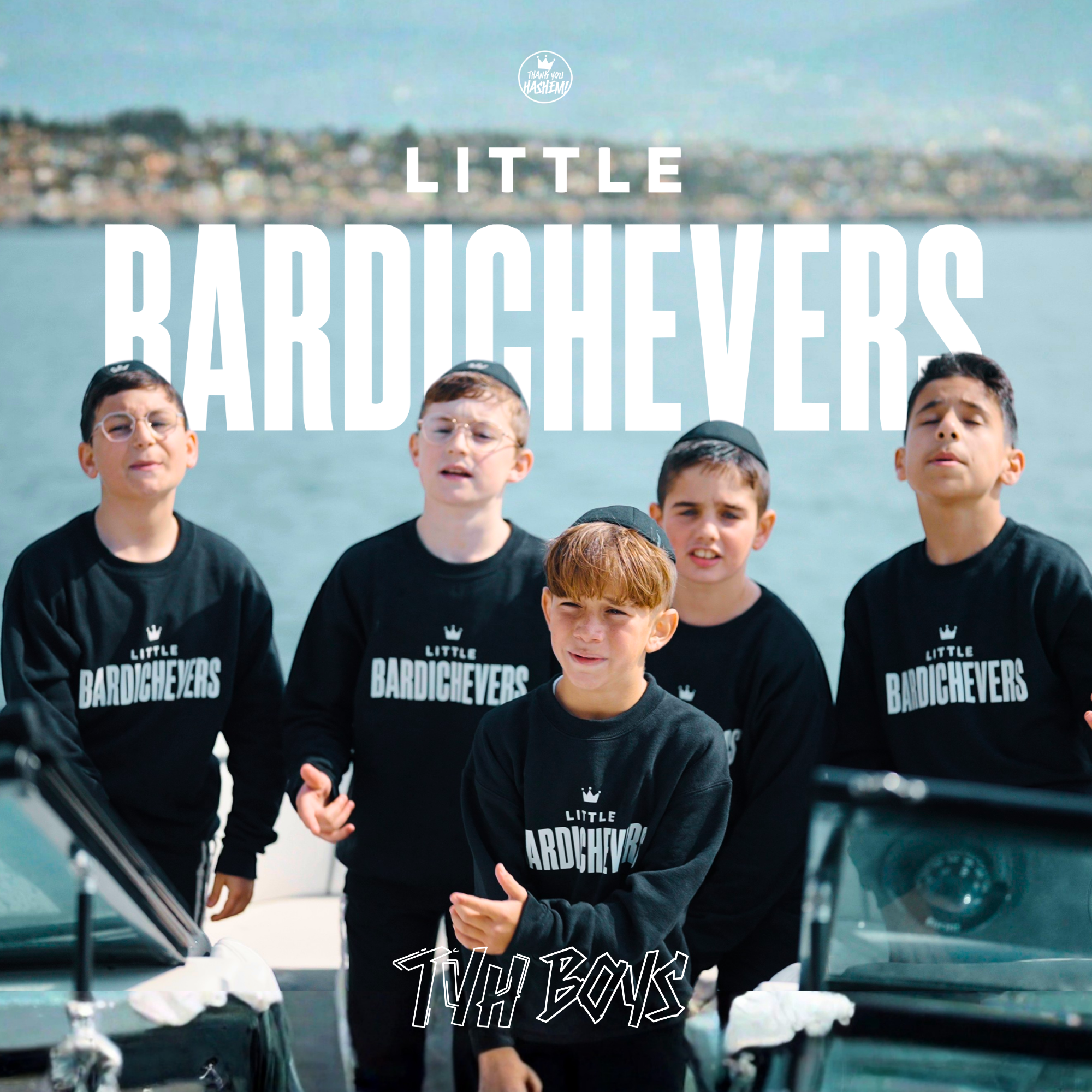
This is why the message of “I Wanna Be Like Zusha” is so important. It takes that childhood dream of wanting to imitate greatness and turns it toward the truth at the center of our neshamos. You can look up to people. You can learn from them. You can be inspired by their holiness and by their talents. But the holiest form of imitation is “Singing from my heart.”
That is greatness. And that is exactly what Hashem wants.